.png)

If you're weighing a move to the western suburbs, Clarendon Hills real estate deserves a close look. This small DuPage County village packs a walkable downtown, a fast Metra commute, and access to Hinsdale Central High School into just over a square mile. You can browse current listings on our homepage to see what's actually on the market right now.
This guide is built for buyers actively comparing suburbs in 2026, whether you're relocating for a job, moving up from a condo, or buying your first house. We'll walk through pricing, schools, taxes, and daily life so you can decide if this village fits your family and your budget.
Quick Facts About Clarendon Hills Real Estate
- Median sale price for detached single-family homes is around $800,000, up roughly 1.3% over the past year
- Homes typically sell in 9 to 25 days, and many close above asking price
- Median price per square foot runs about $400 to $600
- Inventory is tight, with roughly 1.2 to 1.6 months of supply
- Property tax rates average about 1.9%, slightly below the DuPage County average
- Kids attend Community Consolidated School District 181 through eighth grade, then move to Hinsdale Central High School
Prices, Taxes & Schools
What Homes Cost in Clarendon Hills Right Now
Clarendon Hills is not a bargain suburb, and it never has been. The village trades on location and schools, and buyers pay for both. Detached single-family homes have a median sale price near $800,000, based on MRED MLS data through mid-2026, with average sale prices closer to $959,000 once larger new construction gets factored in (the new construction homes typically start at $2,000,000).
Condos and townhomes offer a lower entry point. Attached properties have a median sale price closer to $307,000, though average prices run higher when newer builds are included. That gap between detached and attached pricing gives first-time buyers a realistic path into the village without stretching for a full-size house.
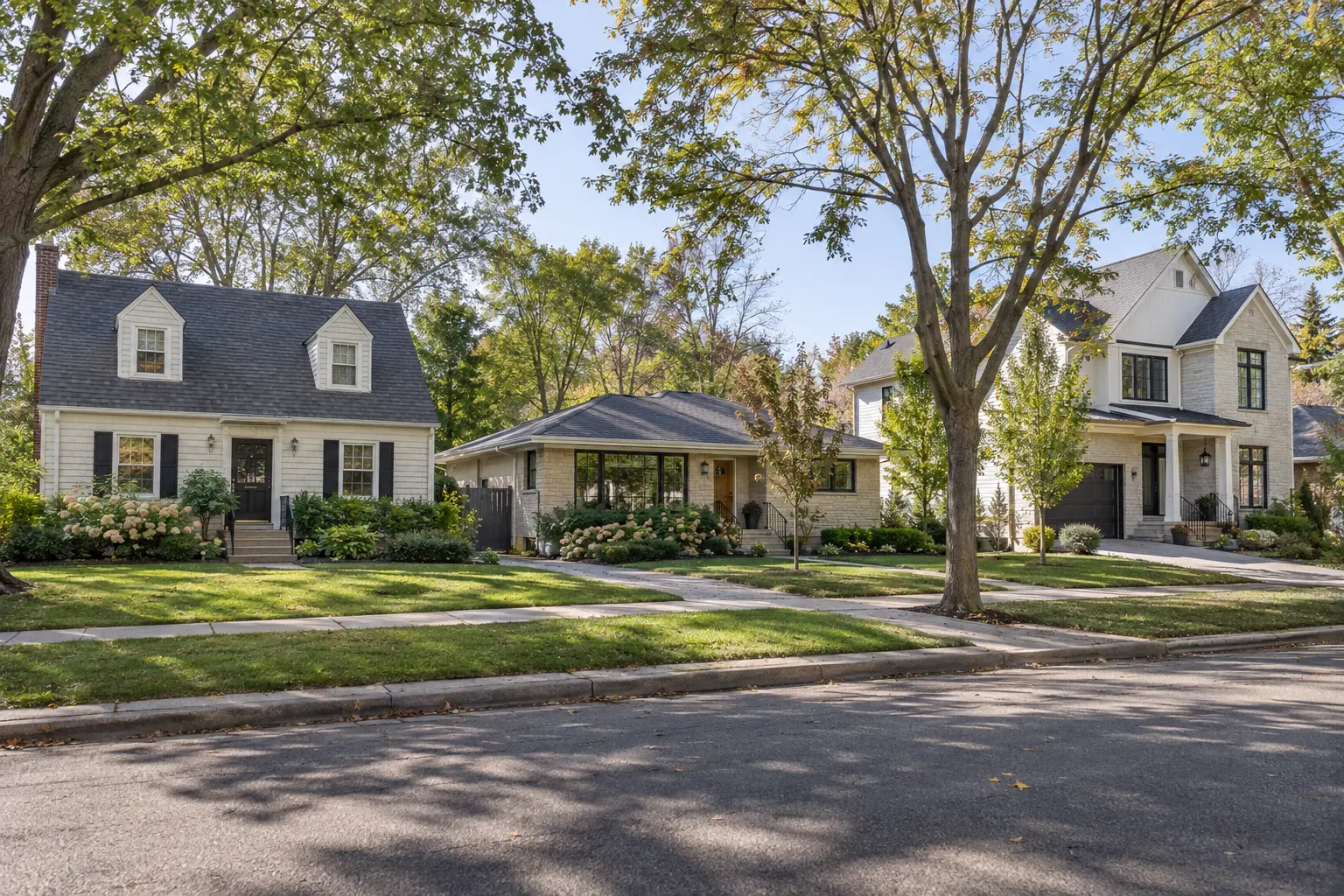
Price per square foot sits around $400 to $600, which reflects the mix of older Cape Cods, remodeled ranches, and new-construction homes going up on smaller lots. Homes here move fast. The average time on market has ranged from about 9 to 25 days depending on the season and price point, and well-priced listings often draw multiple offers within the first week. With only 1.2 to 1.6 months of supply, this remains a market that favors sellers, though pricing has softened slightly compared to last year in some segments.
Property Taxes and What to Budget For
Clarendon Hills sits entirely in DuPage County, which helps keep tax rates more predictable than in suburbs that straddle county lines. The average effective property tax rate is about 1.9%, a bit lower than the DuPage County average near 2.03%. On a median-priced home, that translates to an annual tax bill in the range of $14,500 to $16,000, depending on assessed value and exemptions. Most single-family homes here don't carry HOA fees, since the village is made up of individually owned lots rather than planned communities. Some newer townhome developments do include modest HOA dues, typically a few hundred dollars a month, covering exterior maintenance and shared landscaping.
Schools: The Biggest Driver of Value
Ask any local agent what pushes prices up in Clarendon Hills, and the answer is almost always the schools. Kids in the village attend Community Consolidated School District 181, sometimes called Hinsdale-Clarendon Hills District 181, which serves preschool through eighth grade. Elementary options include Prospect and Walker schools, and most Clarendon Hills students move on to Clarendon Hills Middle School before high school.
For high school, students attend Hinsdale Central, one of the top-rated public high schools in Illinois. Hinsdale Central consistently ranks among the state's strongest for test scores and college placement, and that reputation is a major reason buyers pay a premium to live within its boundaries. If you're comparing towns, it's worth noting that this is the same high school district that draws buyers to Hinsdale, which is part of why buyers researching one village often end up researching the other. Families frequently tour both villages before deciding where to buy.
 01 / 02
Lifestyle, Commute & Fit
 02 / 02
Neighborhoods and What Daily Life Looks Like
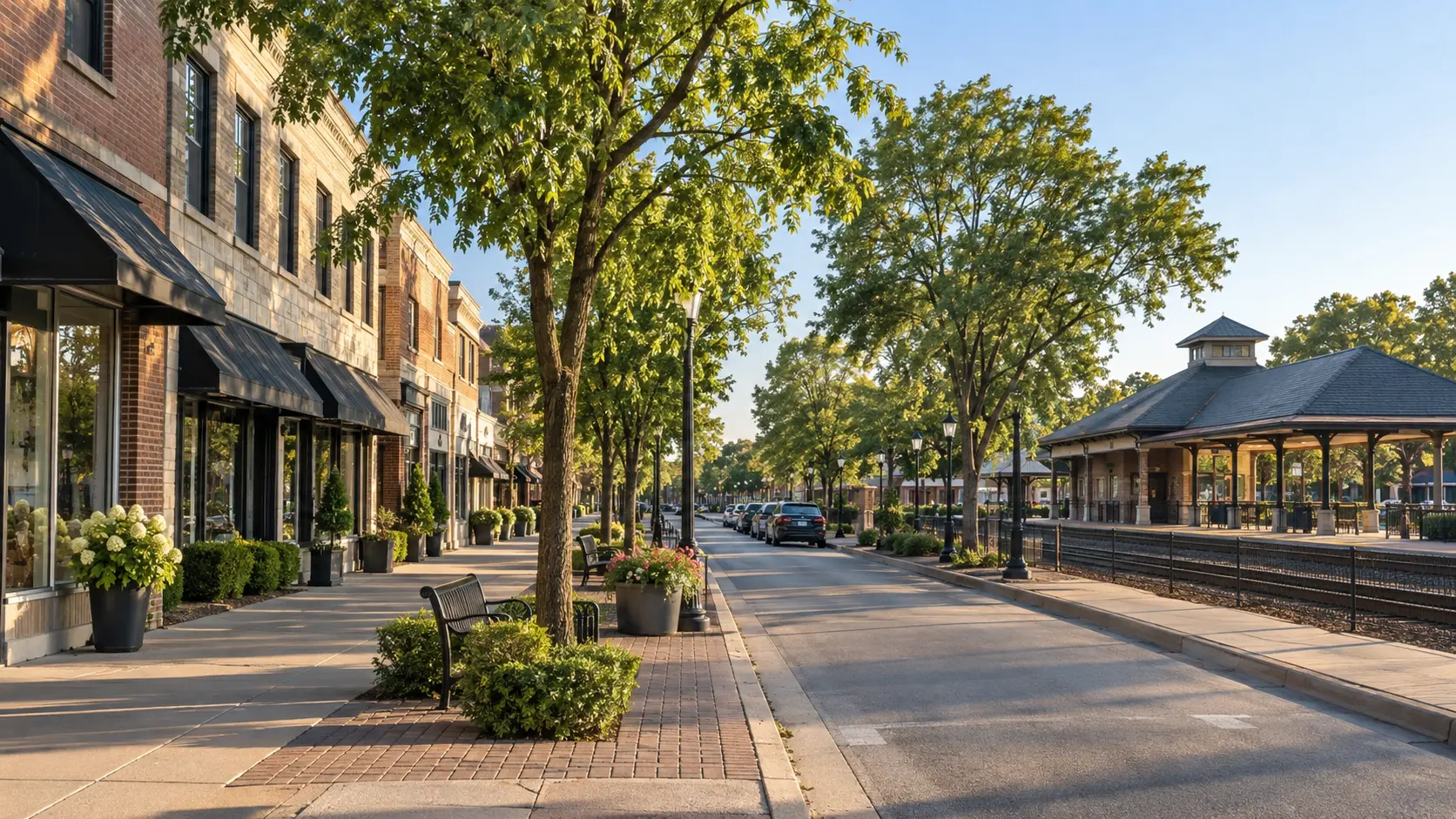
Clarendon Hills is compact, and that's part of the appeal. You can walk from most residential streets to the downtown business district in under fifteen minutes. Prospect Avenue is the heart of it, lined with a hardware store, coffee shops, and a handful of restaurants that locals actually use, not just tourist spots.
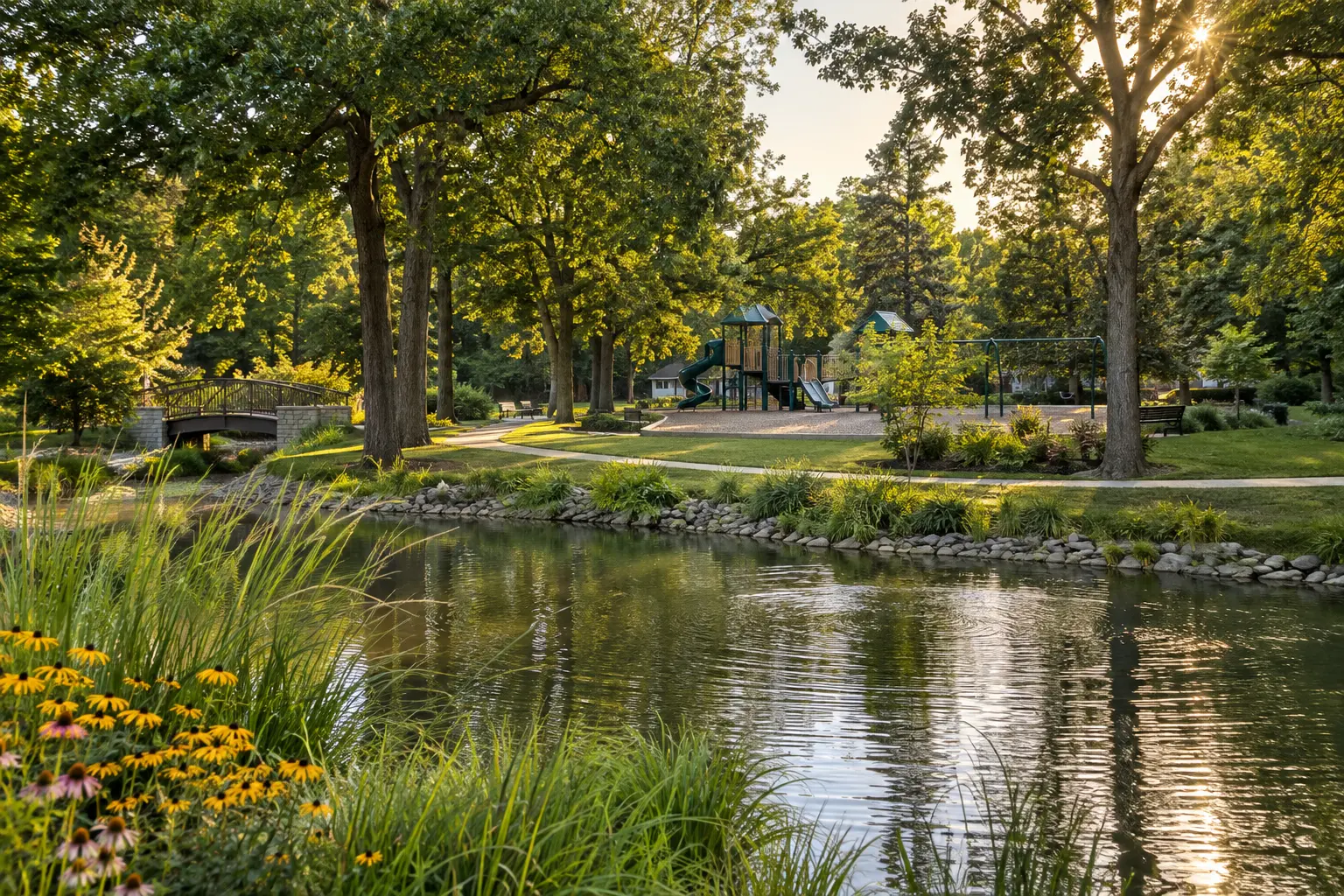
Prospect Park is a large park with a playground, two ponds, a sledding hill, and tennis and basketball courts, great for kids and family gatherings. Families with young kids gravitate toward the streets closest to the elementary schools, while buyers wanting larger lots often look toward the western edge of the village near Walker Road.
Getting Around and Commuting Downtown
The BNSF Railway runs directly through Clarendon Hills, and the Metra station downtown offers express service to Chicago Union Station in about 30 to 32 minutes. That's one of the shortest rail commutes available from any DuPage County suburb, and it's a big reason people relocating for downtown jobs shortlist this village. Clarendon Hills sits roughly 23 miles west of the Loop, close enough for weekend trips without living in the city itself.
The village is walkable by suburban standards. Most residents still rely on a car for grocery runs and errands outside downtown, but sidewalks connect most neighborhoods to the train station and school buildings, which matters if you're used to city living and don't want to drive for everything.
Clarendon Hills vs Hinsdale: How They Compare
Buyers often cross-shop Clarendon Hills against neighboring Hinsdale, and it's a fair comparison since both feed into Hinsdale Central. Hinsdale offers larger lots, more custom and luxury new construction, and a median price closer to $1.4 million, well above Clarendon Hills. Ask an experienced local agent and they'll usually tell you the same thing: Clarendon Hills gives you the same school district and a similar commute at a meaningfully lower price point, in exchange for smaller lots and a tighter downtown footprint. For move-up buyers who want more houses without leaving the school boundaries they love, that trade-off is often worth it.
Is Clarendon Hills Right for You in 2026?
If you value a short commute, strong schools, and a downtown you can walk to, Clarendon Hills real estate is worth serious consideration this year. The market favors sellers, so buyers should expect competition on well-priced listings and be ready to move quickly once they find the right house. Working with a Hinsdale-area real estate team that buyers already trust can make a real difference here, since local knowledge of specific streets, school boundaries, and upcoming listings often matters more than what's posted online.
Local agents broadly expect modest price growth in 2026 rather than a correction. That suggests prices are more likely to stabilize than crash, which is reassuring if you're worried about buying at the wrong moment.
Frequently Asked Questions
Is Clarendon Hills a good place to raise a family?
Yes, Clarendon Hills is a strong choice for families thanks to its top-rated schools and walkable downtown. The combination of District 181 elementary schools and Hinsdale Central High School draws families specifically for education, and the small size of the village makes it easy for kids to walk or bike to friends' houses.
How much does a house cost in Clarendon Hills?
The median sale price for a detached single-family home in Clarendon Hills is around $800,000. Condos and townhomes offer a lower entry point, with a median closer to $307,000, giving buyers more than one way into the market.
What school district is Clarendon Hills in?
Clarendon Hills is served by Community Consolidated School District 181 for elementary and middle school, and students attend Hinsdale Central High School for grades nine through twelve. Both are considered among the strongest public school options in the Chicago suburbs.
How long is the commute from Clarendon Hills to downtown Chicago?
The commute from Clarendon Hills to downtown Chicago runs about 30 to 32 minutes via BNSF express Metra service to Union Station. The village's Metra station sits within walking distance of most downtown homes, which is a major draw for commuters.
Are property taxes high in Clarendon Hills?
Property taxes in Clarendon Hills run higher than the national average but slightly below the DuPage County average, with an effective rate near 1.9%. On a median-priced home, that typically means an annual bill somewhere between $14,500 and $16,000.